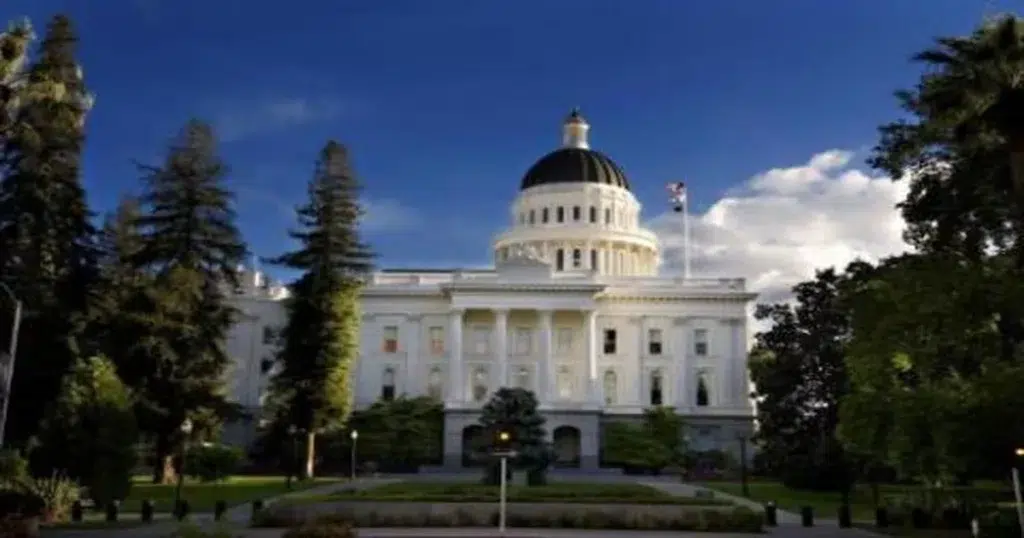
In an effort to balance a $12 billion deficit, California Governor Gavin Newsom has signed a new $321 billion budget that significantly scales back several progressive policies. Among the most controversial changes is the decision to limit access to state-funded medical services, effectively leaving many immigrants cut from health care.
Health Care Rollback Targets Immigrants Without Legal Status
One of the biggest cuts involves Medi-Cal, the health insurance program for low-income Californians. Starting in 2026, new undocumented adult immigrants will no longer be eligible for enrollment. Those already enrolled will be required to pay a $30 monthly premium by mid-2027 if they are under 60 years old, even some with legal status.
This major immigrants cur from health care comes just a year after the state began expanding Medi-Cal to undocumented adults, signaling a major retreat from its universal health care ambitions.
Senator Maria Elena Durazo, a Democrat, opposed the move, calling it a betrayal of immigrant communities. “We fought for this expansion for years, and now we’re reversing progress when our communities need us most,” she said.
Budged Closes Gap Without New Taxes- But at a Cost
The approved budget avoids imposing new taxes, instead relying on borrowing, reserve funds, and delayed payments. Governor Newsom described it as “balanced” and “focused on supporting Californians,” but critics argue it leans heavily on short-term fixes.
Senate President Mike McGuire acknowledged the difficulty of the tradeoffs, noting, “We’ve had to make tough decisions. This isn’t going to please everyone.” Meanwhile, Republican lawmakers criticized the deal for excluding their input and failing to address long-term affordability issues in the state.
Mental Health and Dental Programs Also Hit
Beyond the immigrants cut from health care, the budget also removes $78 million from mental health phone services and eliminates funding for low-income dental care starting in 2026. Fertility coverage mandates have been delayed by another six months.
However, lawmakers preserved several core services, including in-home support for elderly and disabled residents and funding for Planned Parenthood.
Firefighting and Environmental Reallocation
To support wildfire response, lawmakers will tap into $1 billion from the cap-and-trade fund. This fund, designed to reduce carbon emissions, typically finances climate-focused projects. However, the state’s immediate firefighting need have taken precedence.
Although Governor Newsom pushed to extend the cap-and-trade program through 2045 and dedicate $1 billion annually to high-speed rail, lawmakers declined to commit, preferring a separate process for long-term planning.
Public Safety Initiatives Receive Funding
An additional $80 million is allocated to implement a new voter-approved crime measure. The initiative makes shoplifting a felony for repeat offenders and strengthens drug-related penalties. The majority of fund will go toward mental health beds, with support also reaching probation offices and courts.
Still, officials estimate the program may require closer to $400 million to function fully, raising concerns about underfunding.
Other Budget Highlights and Hollywood Boost
The state’s film tax credit will increase from $330 million to $750 million annually through 2030, a win for the entertainment industry. The budget also includes $10 million for immigration legal services, including deportation defense.
However, cities and counties battling homelessness will not receive new funds, sparking concern among local officials who fear the loss of critical shelter capacity.
Meanwhile, Governor Newsom’s plan to fast track a massive water infrastructure tunnel did not make it into the final budget.
This year’s California budget paints a picture of financial urgency, with the immigrants cut from health care becoming a defining symbol of the state’s compromises. While some essntial programs remain intact, the long-term impact of these decisions, especially on vulnerable populations remain to be seen.


