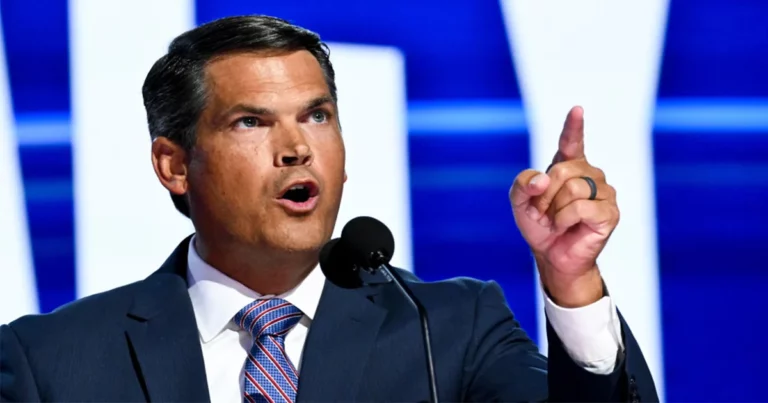
Former Georgia Lt. Gov. Geoff Duncan announced Tuesday he is leaving the Republican Party to become a Democrat, marking a significant political shift for the one-time GOP rising star. In an Atlanta Journal-Constitution op-ed, Duncan said his decision followed years of growing disillusionment with Republican policies and leadership.
“My journey to becoming a Democrat started well before Donald Trump tried to steal the 2020 election in Georgia,” Duncan wrote. The former lieutenant governor, who served from 2019-2023, cited fundamental disagreements on healthcare, gun safety, and immigration as driving his decision.
Duncan criticized GOP approaches to Medicaid and healthcare access, noting most uninsured Georgians work jobs that don’t provide coverage. He also condemned recent Republican-backed spending cuts to food assistance programs and Medicaid. On gun policy, he pointed to polling showing public support for universal background checks that his former party opposes.
The party switch comes months after Georgia Republicans formally expelled Duncan for endorsing Democratic presidential candidates and criticizing Trump’s election claims. Duncan had emerged as a vocal GOP critic following the January 6 Capitol attack, later speaking at the Democratic National Convention.
“My decision puts me in the best possible position each day to love my neighbor,” Duncan wrote, framing his move as a moral rather than purely political choice. The former state lawmaker declined to seek reelection in 2022 after one term as lieutenant governor.
Political analysts view Duncan’s defection as symptomatic of ongoing Republican Party divisions in battleground Georgia, where Trump’s influence continues shaping GOP politics. State Democratic leaders welcomed Duncan while Republicans dismissed the move as inconsequential.
The former lieutenant governor becomes one of the highest-profile Georgia Republicans to switch parties in recent years, though his immediate political plans remain unclear. His op-ed suggests he intends to advocate for Democratic policy positions rather than seek office.


