President Trump’s new tariffs, which took effect Thursday, are expected to hit company profits and drive up consumer prices, according to trade experts. The duties now apply to imports from dozens of U.S. trade partners, with economists predicting significant cost increases for businesses and households.
Matt Schulz, chief consumer finance analyst at LendingTree, told CBS MoneyWatch that while companies have initially held off on price hikes to avoid losing customers, they cannot absorb the extra costs indefinitely. Once some begin raising prices, Schulz expects others to follow, potentially triggering widespread increases.
Several corporations have already introduced “tariff surcharges” or warned of the impact on earnings. Treasury Department data shows tariff revenue surged to about $30 billion in July, a 242% jump from a year earlier. President Trump has suggested the funds could help reduce the $36 trillion national debt or be used for rebate checks to Americans.
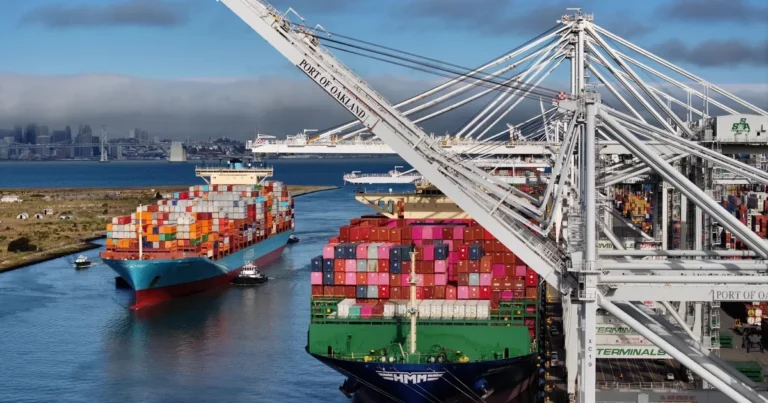
Tariffs are paid by importers when goods arrive at U.S. ports, and economists note that businesses typically pass most or all of these costs to consumers. Gregory Daco, chief economist at EY-Parthenon, said there is little sign that foreign exporters are lowering prices, leaving U.S. companies and consumers to absorb the increases.
Automakers have reported sharp financial hits. Toyota posted a 37% drop in quarterly profit and lowered its annual forecast, citing the tariffs. GM has warned of up to $5 billion in losses this year, while Ford expects a $3 billion impact. Diageo, maker of Guinness, estimates $200 million in annual costs, and Walmart has said higher tariffs will force it to raise prices on products from food to children’s car seats.
Electronics maker Sonos announced it will increase prices on its speakers due to higher reciprocal tariffs on goods from Vietnam and Malaysia. The Budget Lab at Yale projects Americans will pay an average of 18.3% more for imported goods as a result of the new trade measures.
Daco warned that the current average tariff rate of about 18% — the highest in decades — will add inflationary pressure, pushing prices higher for both durable and nondurable goods. This, he said, could erode consumer spending as more households struggle with increased costs.
President Trump has defended the tariffs as a way to reduce trade deficits and protect U.S. manufacturing jobs, insisting that foreign exporters will shoulder the burden. The White House maintains that inflation is easing and that prices for imported goods are declining, despite warnings from economists.


