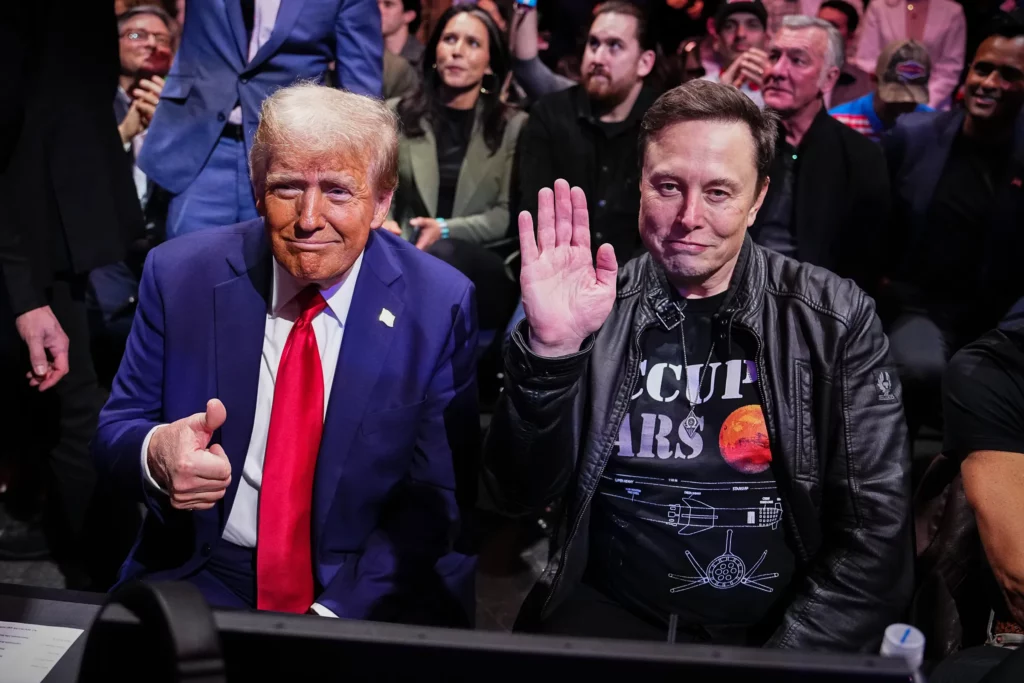
Elon Musk has officially stepped down from his role as head of the Department of Government Efficiency (DOGE), a position he held within President Donald Trump’s administration. This departure follows Musk’s public criticism of Trump’s “One Big Beautiful Bill,” a significant spending initiative that Musk claims undermines DOGE’s mission to reduce government waste.
Table of Contents
Background on DOGE and Musk’s Role
The Department of Government Efficiency, commonly referred as DOGE, was established by the Trump administration in January 2025 with the aim of modernizing federal technology and reducing unnecessary expenditures. Elon Musk, though not officially appointed, was widely recognized as the de facto leader of DOGE, bringing his corporate efficiency strategies to the federal government.
During his tenure, Musk implemented aggressive cost cutting measures, including significant reductions in the federal workforce and the consolidation of various agencies. However, these actions were met with criticism from both within and outside the government, with many accusing Musk of prioritizing disruption over genuine efficiency.
The “One Big Beautiful Bill” Controversy
Musk’s resignation was precipitated by his disapproval of Trump’s “One Big Beautiful Bill,” a comprehensive spending package that includes substantial tax cuts and increased funding for defense and immigration enforcement. Musk argued that the bill’s provisions would significantly increase the federal deficit, contradicting DOGE’s objectives.
In a public statement, Musk remarked that a bill could be “big” or “beautiful,” but not both, highlighting his dissatisfaction with the legislation’s fiscal implications.
Implications of Musk’s Departure
Musk’s exit from DOGE raises questions about the future direction of the department and its initiatives. While the Trump administration has expressed continued commitment to government efficiency, the absence of Musk’s leadership may lead to shifts in strategy and implementation.
Furthermore, Musk’s departure underscores the challenges of integrating private sector approaches into public administration, especially when such strategies encounter bureaucratic structures and political considerations.


