Fire districts across California are shuttering stations and delaying equipment purchases as decades-old tax limitations collide with rising costs and growing wildfire risks. The crisis has hit affluent communities like Granite Bay particularly hard, where voters recently rejected a proposed fee increase despite living in high-risk fire zones.
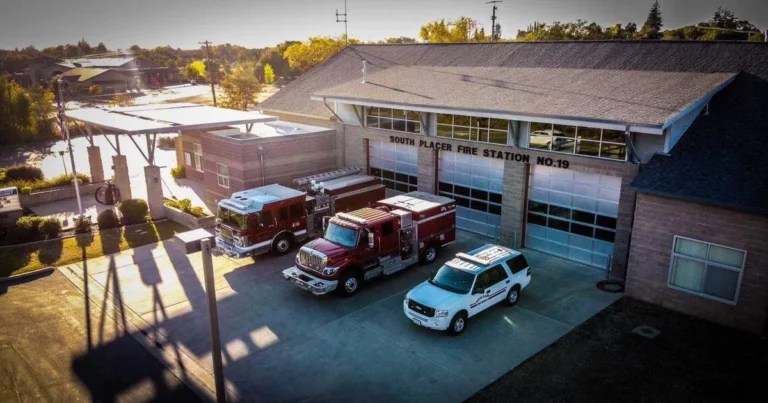
In 2022, 53% of Granite Bay residents voted against Proposition 218, a property fee that would have funded the South Placer Fire District. The decision forced the closure of two of the district’s six stations that September. Similar struggles plague fire agencies throughout Placer and Yolo counties, where chiefs say funding mechanisms haven’t kept pace with inflation or wildfire threats.
The root problem traces back to Proposition 13, the 1978 ballot measure that capped property tax increases. Today, fire districts receive just pennies per dollar of collected property taxes – South Placer gets 5 cents, Placer Hills 6 cents, and Newcastle only 3 cents. These limited funds must cover soaring equipment costs, including $1 million fire trucks and $3 million ladder trucks that can take years to deliver.
“These are the same dollars we had in 1978 trying to buy 2024 goods and services,” said South Placer Fire District Chief Mark Duerr, who serves 38,000 residents. The district has seen costs rise 300-400% for vehicles and equipment while revenues increased just 30-40%.
Some communities have approved local measures to bridge gaps. Placer Hills Fire passed a special property tax in 2019 and raised impact fees in 2020 and 2024. Truckee Fire secured a $179 per parcel tax in 2021 for wildfire prevention. But these funds often come with restrictions – Truckee’s measure can’t be used for salaries, equipment or station repairs.
The funding crisis has turned litigious in some cases. Truckee Fire filed suit against Placer County earlier this year, alleging officials withheld at least $200,000 annually in property taxes owed to the district. County officials deny the claims, arguing some allegations fall outside legal time limits.
Compounding the problem, none of Placer County’s $46 million in Proposition 172 public safety sales tax revenue goes to fire districts. The 1993 measure directed half-cent sales tax proceeds solely to law enforcement.
Fire chiefs warn the situation will worsen without systemic changes. “I cannot fathom a world that exists in the next three to five years where small one to two station districts can afford to operate,” Duerr told county supervisors.
The closures and funding shortfalls come as climate change intensifies wildfire risks. Granite Bay’s multimillion-dollar homes sit in what Cal Fire classifies as very high fire hazard zones, yet residents rejected the 2022 fee measure that would have maintained local fire protection levels.
With limited options for raising revenue, fire districts face difficult choices between staffing cuts, equipment deferrals, or further station closures. The crisis highlights how California’s iconic tax revolt continues shaping local services nearly 50 years later, with public safety now caught in the balance.


