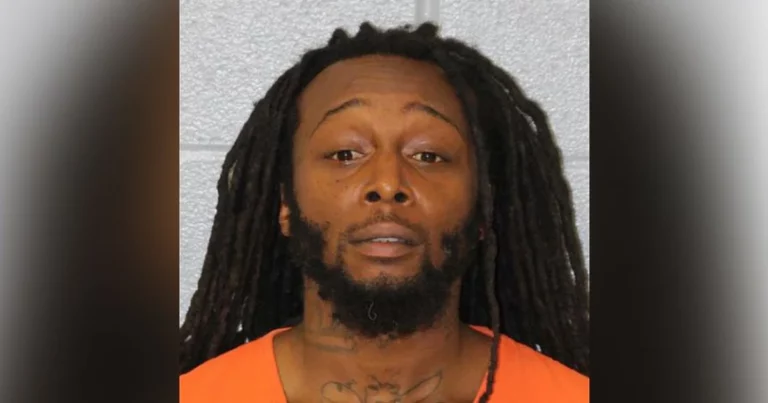
The man accused of fatally stabbing a Ukrainian refugee in an unprovoked attack on a Charlotte light rail train in August was known to the local criminal justice system through a history of felony convictions and recent questions about his mental competency.
Decarlos Brown, 34, faces state and federal charges in the killing of Iryna Zarutska on August 22. The incident, captured on video, has ignited a national political firestorm and raised questions about the handling of repeat offenders with mental health issues.
According to a review of Mecklenburg County court records, Brown has had at least 14 separate cases since 2007. His criminal history includes convictions for shoplifting, larceny, and breaking and entering. In 2014, he pleaded guilty to robbery with a dangerous weapon after pulling a gun on a man at a Charlotte apartment complex and stealing his cellphone and $450. He was sentenced to six to eight years in prison and served six years followed by probation.
More recently, in January of this year, Brown was arrested for misuse of 911 after calling police from a hospital to report that someone had given him a “manmade material” that was controlling him. A judge released him without bail. In July, just weeks before the fatal stabbing, a different judge granted a defense request to have Brown mentally evaluated for competency to understand court proceedings. It remains unclear if that evaluation was ever completed.
The case has drawn comments from the highest levels of government. President Donald Trump, in a video posted online, called the suspect “a deranged monster” and criticized policies in “Democrat-run cities.” Conversely, Charlotte Mayor Vi Lyles, a Democrat, called the killing a “tragic failure by the courts and magistrates” in a social media post.
Criminal justice experts like Matthew William Logan, an associate professor at Texas State University, point to the case as an example of broader systemic trends, including “progressive prosecution,” where low-level charges are often declined to avoid mass incarceration.
In response to the attack, Mayor Lyles said the city would increase police patrols on the light rail. She also called for a bipartisan solution to address repeat offenders and the lack of mental health treatment options, stating, “We need a bipartisan solution to address repeat offenders who do not face consequences for their actions.”
The Mecklenburg County Public Defender’s Office, which is representing Brown, did not respond to a request for comment. Court records do not yet show a formal plea to the murder charges.


