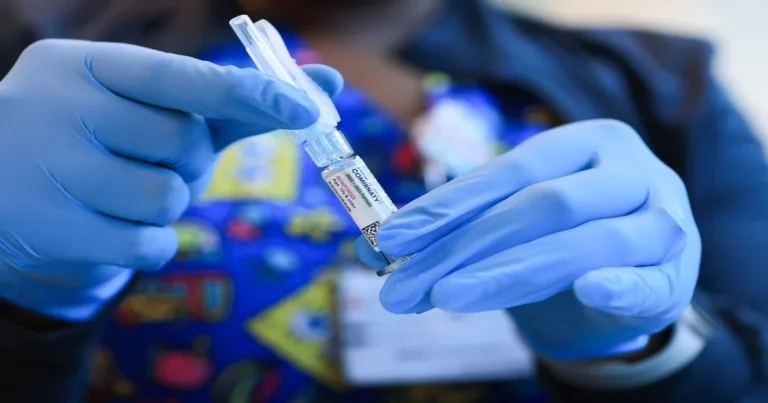
Vaccines in Las Vegas, Philadelphia & More: Where Can You Get Boosted?
As COVID cases creep upward across the U.S., health officials are preparing tighter restrictions on booster shots—just as students return to classrooms and new variants spread. While current waves appear milder than past surges, experts warn that dwindling immunity and limited vaccines could fuel a dangerous fall season.
Where Are Cases Rising Fastest?
According to CDC data, 26 states—particularly in the South and Midwest—are seeing increased infections. Wastewater analysis and ER visits suggest the uptick, driven by immune-evading variants, is still in its early stages. “We probably aren’t going to peak at a very high level, but it’s too soon to tell,” said Johns Hopkins virologist Andrew Pekosz.
Cities like Las Vegas, Philadelphia, Chicago, Dallas, and Tucson are monitoring local trends, as updated boosters from Moderna and Novavax face new FDA limits. These shots are now approved only for seniors (65+) and high-risk individuals over 12—despite evidence that broader vaccination curbs transmission.
Why Are Boosters Getting Harder to Access?
The Trump administration’s shift toward targeted recommendations—dropping vaccines for kids and pregnant people—has sparked debate. “If you vaccinate broadly, you reduce spread,” argued Pekosz. Yet federal advisers may further restrict fall boosters to older adults and those with conditions like asthma or diabetes.
Meanwhile, off-label prescriptions and out-of-pocket costs could create disparities. “Can you still pay for it? How much? Will there be shortages?” asked Northeastern’s Sam Scarpino. With just 23% of adults boosted and under 16% of kids vaccinated, gaps in protection loom.
What Else Can Protect You?
Antivirals like Paxlovid remain effective but face funding cuts after December. Experts stress layered defenses:
- Masking in crowded spaces
- Air purifiers to improve ventilation
- Staying home when sick
“It’s not that the virus is milder—we’re just better at fighting it,” noted Pekosz. Yet with 35,000–54,000 U.S. COVID deaths since October and long COVID risks lingering, the stakes stay high.


