As regional tensions spike amid the ongoing conflict between Israel and Iran, Iran warns U.S. of direct consequences if U.S. intervenes, rallying support from its allied militias in Iraq. On June 15, 2025, Iraqi Iran-aligned involvement will prompt immediate attacks on U.S. throughout the Middle East.
Aby Hussein al-Hamidawi, the group’s Secretary General, declared, “We are closely monitoring the movements of the U.S. enemy’s army in the region. If U.S. intervenes, we will act directly against the interests and bases, without hesitation.” The statement marks a significant escalation in rhetoric, signaling readiness to resume operations after suspending actions against U.S. troops earlier this year.
Kataib Hezbollah, an integral part of Iran’s Axis of Resistance, has launched dozens of missile and drone attacks on both U.S. and Israeli targets in Iraq and Syria since the Gaza war began. Although it paused such operations last year under pressure from Baghdad, recent Israeli airstrikes on Iranian military and nuclear sites have reshaped the group’s posture.
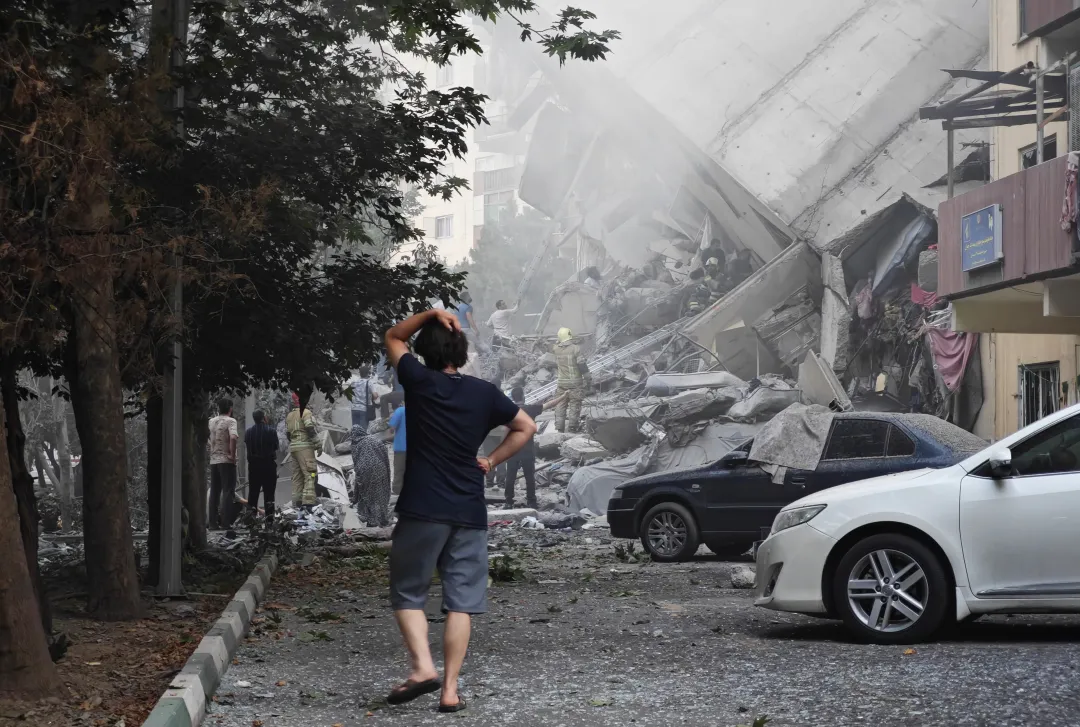
The message from Iran warns U.S. remains clear: any American move to support Israel whether military deployment, intelligence sharing, or logistical aid could lead to immediate retaliation. This warning arrives amid a broader regional clash: Israel conducted airstrikes inside Iran, and Iran retaliated with missile barrages targeting Israeli cities for a third consecutive day.
This escalation complicates diplomatic efforts. Iraq, which maintains strategic ties with both Washington and Tehran, now finds itself under pressure as pro-Iran militias call for the U.S. embassy in Baghdad to be closed and all American forces removed.
American military assets, including bases in Iraq, Syria, and Jordan are now considered possible targets. Tehran’s coordinated defense posture suggests that any American support to Israel could spark a broader proxy war, risking a more expansive Middle Eastern conflict.
International leaders, including the U.S., EU, and UN, have urged de-escalation, but reactions from Iran and its allies indicate the situation is fragile. While Iran warns U.S. as a central narrative, regional diplomacy faces renewed strain and the prospect of unfolding violence looms large.


