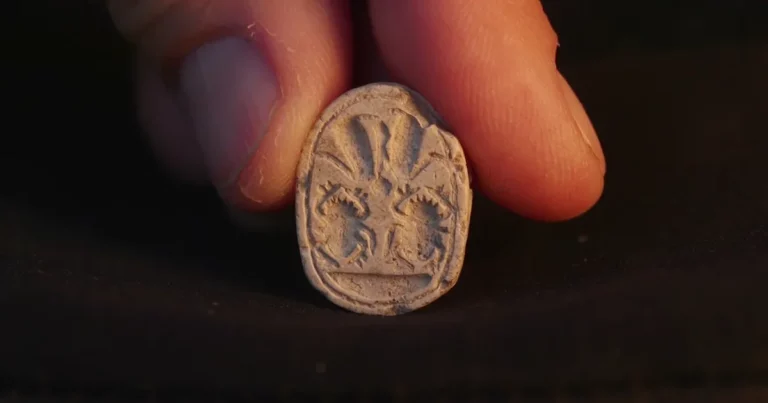
A man who worked with tomb raiders was sentenced to prison for smuggling hundreds of ancient relics looted from Egypt, including sculptures from 1900 BCE and a royal carving, federal prosecutors said.
Ashraf Omar Eldarir, 52, received six months in federal prison after pleading guilty to four counts of smuggling. A naturalized U.S. citizen originally from Egypt, Eldarir’s case began when he was stopped at JFK Airport in February 2020 with nearly 600 ancient artifacts wrapped in bubble wrap inside his suitcases.
Prosecutors said the items were freshly looted and still smelled of soil. Eldarir worked directly with tomb raiders, who sent him videos of objects from grave sites “as if it were K-Mart and here’s your pick to choose from,” Assistant U.S. Attorney William Campos told the court.
Judge Rachel P. Kovner did not impose a fine because Egyptian authorities had already seized his assets and frozen his bank accounts. Still, Kovner emphasized the seriousness of the scheme, saying, “This is a serious crime that was going on in a pretty blatant way. Cell phone evidence indicates they were fresh from the ground; he was marking which ones he wanted, which ones not with an ‘X’; and making up the provenance.”
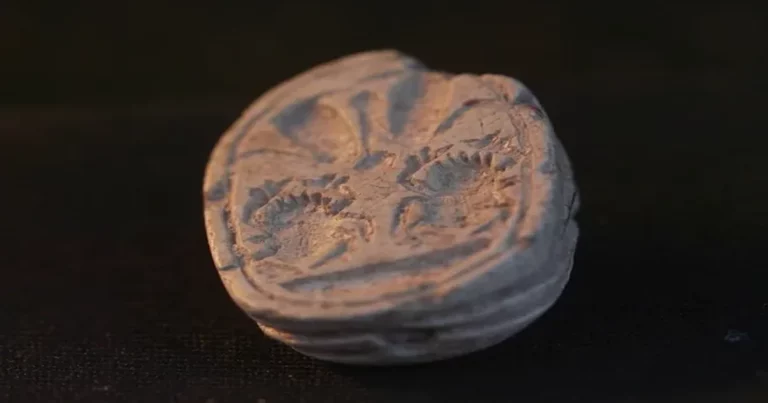
Eldarir had told U.S. Customs and Border Protection that his luggage was worth about $300. The artifacts were appraised at approximately $82,000. Court filings also linked him to three prior smuggling attempts in April, June, and November 2019.
According to court documents, Eldarir consigned artifacts to auction houses including Palmyra Heritage, Arte Primitivo, and Christie’s. Prosecutors said he used photo editing software to forge provenance documents and provided only photocopies to auction houses to avoid closer scrutiny. Despite the unusual practice of not showing original documents, the objects were still accepted.
Palmyra Heritage did not respond to requests for comment, while Arte Primitivo and Christie’s declined to comment.
In court, Eldarir, a father of three, took responsibility and asked forgiveness from his family. “I ask her soul for forgiveness because she couldn’t bear the news,” he said of his mother, who died shortly after learning of the case.
Between 2011 and 2019, Eldarir sold about 500 objects as antiquities, earning over $600,000, prosecutors said. The forged papers claimed the artifacts had belonged to his grandfather and were removed from Egypt before 1948, when it was still legal. “This is not some case of Jean Valjean stealing a loaf of bread,” Campos told the judge. “This is the case of a longtime trafficker.”
Prosecutors did not charge him for the earlier sales. His defense attorney suggested some of those objects may have been fraudulent, another issue common in the antiquities trade.
Egyptian authorities did not respond to requests for comment. Attorneys said the artifacts involved in the case have not yet been returned to Egypt.
According to U.S. Customs and Border Protection, smuggling antiquities into New York is not uncommon. “Safeguarding cultural heritage is an often-overlooked yet important aspect of border security, as smugglers frequently exploit similar vulnerabilities to transport stolen artifacts alongside other illicit goods,” said Francis J. Russo, director of CBP’s New York Field Office.
CBP data showed 558 objects recovered across 16 incidents so far in fiscal year 2025; 50 objects across 15 incidents in fiscal year 2024; and 603 objects in 20 incidents the previous year. Items originated from countries including Cyprus, Denmark, Hong Kong, Morocco, Pakistan, Spain, the United Arab Emirates, and the United Kingdom.
The case highlights wider concerns about antiquities trafficking, which critics say incentivizes looting and destroys history. Christos Tsirogiannis, a forensic archaeologist at Ionian University, said looting causes “the complete and almost irreversible loss of our history. It doesn’t matter if the object’s made with gold, platinum or filled with diamonds. This fascinating, unique object will have nothing to tell us about who we are and who we came from and what that means for our civilization.”


