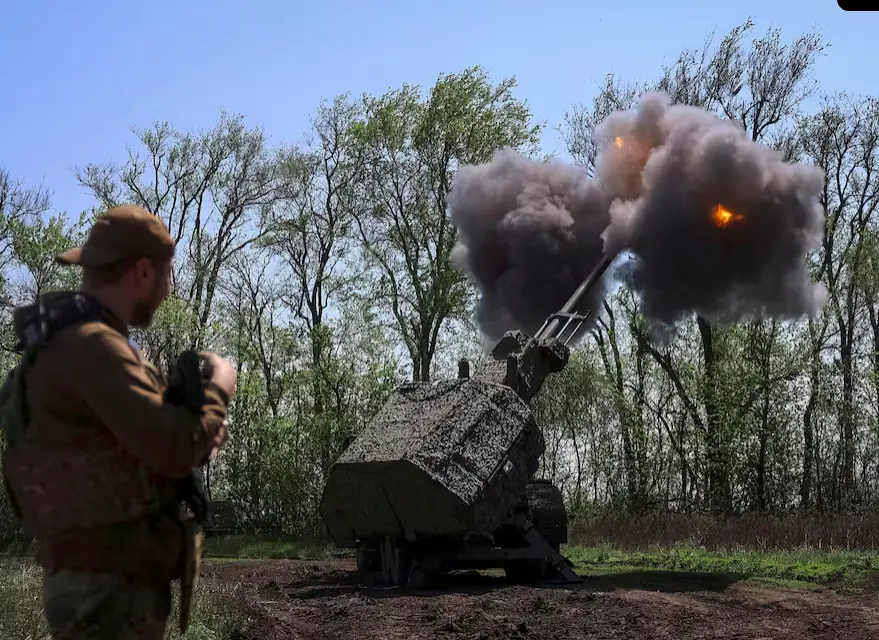
In a significant development during the first direct peace talks between Russia and Ukraine in over three years, Russian negotiators have demanded that Ukrainian forces withdraw from all territories claimed by Moscow before agreeing to a ceasefire. This condition, presented during the Istanbul meeting, has been deemed unacceptable by Ukrainian officials, highlighting the deep divisions that continue to impede diplomatic progress.
The Istanbul talks, held on May 16,2025, market a rare face-to-face engagement between the warring nations since the onset of the conflict in 2022. While the meeting resulted in an agreement to exchange 1,000 prisoners of war from each side, the broader objective of establishing a ceasefire remains elusive. A senior Ukrainian official, speaking on condition of anonymity, described Russia’s demands as “nonstarters,” emphasizing that such conditions were beyond any previously discussed terms.
The Russian delegation’s insistence on Ukrainian troop withdrawals from Donetsk, Luhansk, Kherson, and Zaporizhzhia regions – areas partially occupied by Russian forces – has been met with staunch resistance from Kyiv. Ukrainian President Volodymyr Zelenskiy has consistently maintained that any peace agreement must respect Ukraine’s territorial integrity and sovereignty. Furthermore, Ukrainian soldiers on the front lines have expressed skepticism about Russia’s intentions, citing ongoing hostilities despite previous ceasefire declarations.
The United States has been actively involved in mediating the conflict with President Donald Trump announcing plans to speak seperately with Presidents Puting and Zelenskiy on May 19. Trump has been advocating for an immediate 30-day unconditional ceasefire, a proposal that Ukraine has accepted but Russia has yet to endorse. In a recent social media post, Trump emphasized the urgency of ending the conflict, referring to it as a “bloodbath” that claims over 5,000 lives weekly.
The Kremlin has remained tight-lipped about the specifics of its demands, with spokesman Dimitry Peskov stating that negotiations should remain confidential. However, Russian Deputy Foreign Minister Sergei Ryabkov has indicated Moscow’s readiness for serious talks, albeit with doubts about Kyiv’s capacity for negotiations.
Despite the lack of progress on a ceasefire, the agreement on the prisoner exchange is seen as a positive step. Ukrainian Defense Minister Rustem Umerov confirmed the deal, noting that it would be the largest such exchange since the war begin.
International reactions have been mixed. Turkish President Tayyip Erdoğan, who hosted the talks, has pledged to continue his country’s mediation efforts. Meanwhile, European leaders have expressed frustration over the stalemate, with some calling for increased sanctions against Russia to pressure it into meaningful negotiations.
The path to peace remains fraught with challenges. Russia’s demands for territorial concessions and Ukraine’s insistence on sovereignty create a complex impasse. As diplomatic efforts continue, the international community watches closely, hopeful that future engagements will yield more substantial progress toward ending the conflict.


