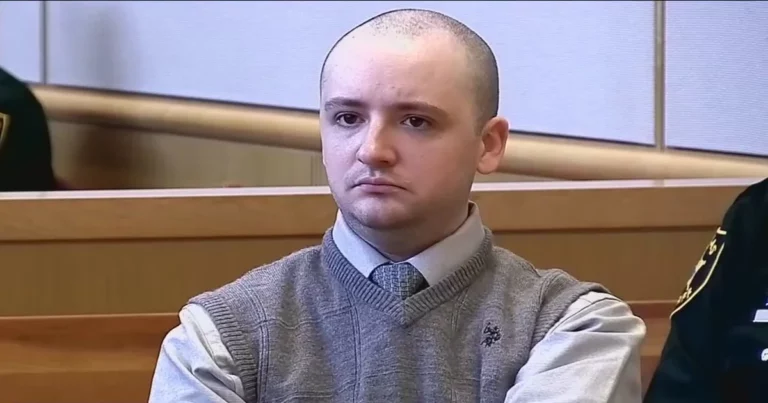
How did the Shelby Nealy death penalty recommendation happen?
A Pinellas County jury voted 11–1 to recommend the death penalty for Shelby Nealy for murdering his wife’s parents and brother. This cleared the state requirement of at least eight jurors for death penalty approval.
Nealy is already serving a 30-year sentence for the death of his wife, Jamie Ivancic, who he killed in January 2018. He later committed the killings of her parents—Richard, 71, and Laura, 59—and her brother, Nicholas, 25, along with three family dogs in December 2018, at their home in Tarpon Springs, Florida.
After killing Jamie, Nealy impersonated her—texting photos of their toddlers and claiming to be her on social media. When the family grew suspicious, he went to their home and carried out the murders.
Prosecutors stressed Nealy’s lack of remorse and the calculated nature of the crimes, calling them premeditated and cold. His behavior has been described as remorseless and obsessive control over his story.
The Ivancic family issued a heartfelt statement:
“No sentence can bring them back, but justice demanded accountability—the highest accountability. We are grateful the jury delivered it.”.
Nealy is scheduled for a Spencer hearing on December 9, when he gets a chance to present evidence in hopes of avoiding the death penalty
A Spencer hearing in December will determine if any mitigating evidence can influence his sentencing. Florida law allows death sentencing with just eight juror votes, so the 11–1 decision was more than enough
Fast Facts Table
| Detail | Summary |
|---|---|
| Defendant | Shelby Nealy, 32 |
| Crimes | Murder of wife, her parents, brother, and three dogs |
| Jury Vote | 11–1 recommendation for death penalty |
| Reason Jurors Cited | Lack of remorse, planning, deception |
| Sentences Already Served | 30 years for wife’s death |
| Next Legal Step | Spencer hearing on December 9 to fight death penalty |
In summary, the Shelby Nealy death penalty recommendation marks a highly unusual and extreme verdict in Florida. Jury deliberations focused on his calculated behavior and apparent absence of regret. With a Spencer hearing coming later this year, this case highlights how premeditation and cruelty can push a criminal sentence to its ultimate outcome.


