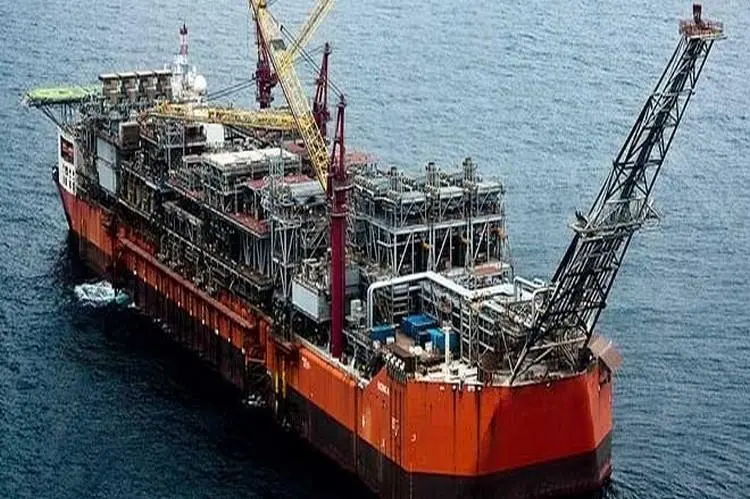
Shell Nigeria Exploration and Production Company (SNEPCo) has agreed to purchase TotalEnergies’ 12.5% non-operated stake in Nigeria’s offshore Bonga oil field for $510 million. This acquisition increases Shell’s ownership in the Bonga field from 55% to 67.5%, reinforcing its commitment to deepwater oil production in Nigeria.
Table of Contents
Strategic Implications of Shell’s Increased Stake
The Bonga oil field, located approximately 120 kilometers south of the Niger Delta, began production in 2005 and is operated by Shell using the Bonga Floating Production Storage and Offloading (FPSO) vessel. The field has a production capacity of 225,000 barrels per day and reached its one billionth barrel milestone in 2023.
In December 2024, Shell made a final investment decision on the development of the nearby Bonga North field, which is projected to yield over 300 million barrels of oil equivalent and peak at 110,000 barrels per day by the end of the decade.
Peter Costello, Shell’s upstream president, stated, “Following our final investment decision on Bonga North last year, this acquisition brings another significant investment in Nigeria deep water that contributes to sustained liquids production and growth in our Upstream portfolio.”
TotalEnergies’ Portfolio Optimization
TotalEnergies’ decision to divest its stake in the Bonga field aligns with its strategy to focus on assets with lower technical costs and emissions Nicolas Terraz, President of Exploration & Production at TotalEnergies, commented, “TotalEnergies continues to actively high grade its Upstream portfolio, to focus on assets with low technical costs and low emissions, and to lower its cash breakeven.
In Nigeria, TotalEnergies is concentrating on its operated gas and offshore oil assets, including the development of the Ubeta project, designed to sustain gas supply to Nigeria LNG.
Conclusion
The $510 million deal for Shell to expand its stake in the Bonga oil field underscores the company’s strategic focus on deepwater oil production in Nigeria. As Shell increases its ownership to 67.5%, the move is expected to bolster its upstream portfolio and contribute to sustained liquids production. Meanwhile, TotalEnergies’ divestment reflects its commitment to optimizing its asset portfolio towards lower cost and lower emission projects.


