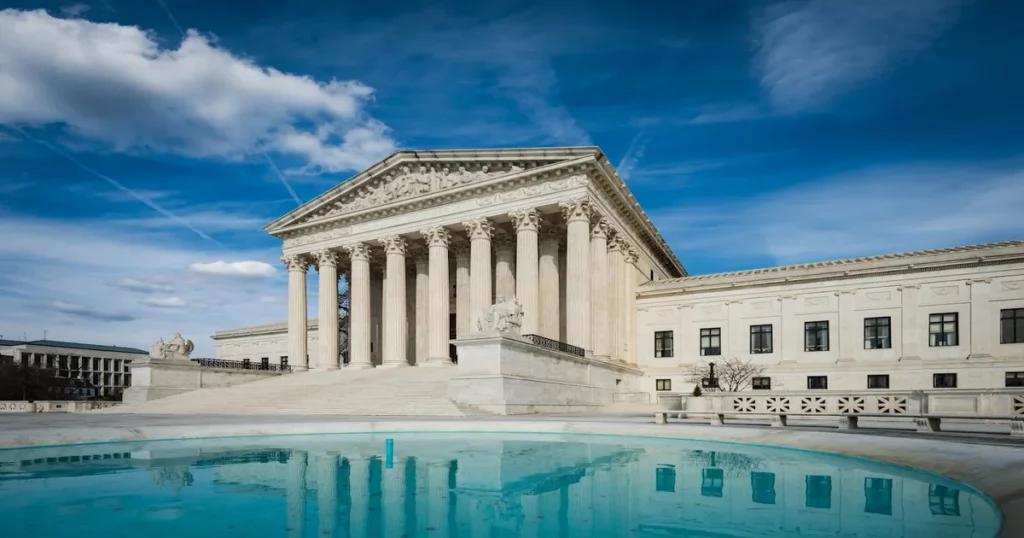
The Supreme Court delivered a series of landmark decisions on Friday that are expected to reshape several aspects of American law and governance. Within the first hours of the day, rulings were handed down on immigration enforcement, presidential immunity, and state-level voting laws. The Supreme Court’s decisions have already sparked intense national debate, with major political implications heading into the 2026 election season.
What Did The Supreme Court Decide Today?
In one of the most anticipated rulings, the Supreme Court ruled on whether a sitting president can be prosecuted for alleged crimes committed while in office. The court’s conservative majority sided with expanding presidential immunity in limited cases, igniting controversy among constitutional scholars.
Another key decision involved immigration enforcement. The court ruled that states cannot unilaterally override federal immigration policy, reaffirming the federal government’s primary role in immigration matters.
Reactions From Lawmakers and Legal Experts
Legal experts are already dissecting the implications of today’s Supreme Court decision. Critics argue the ruling could shift power balance and alter long-standing legal precedents. Supporters, on the other hand, claim the court is restoring constitutional clarity and federal authority.
Senate Majority Leader Jane Cortez called the ruling ” a troubling consolidation of executive power,” while House Speaker David Kellerman praised the decisions as “necessary corrections to legal overreach.”
What’s Next After These Supreme Court Rulings?
With several major decisions now finalized, attention turns to how lower courts, Congress, and state legislatures will respond. The Court’s role as a political and legal force remains central, especially with more contentious cases expected later this year.
The rulings underscore how closely the nation’s political and legal systems are intertwined, and how decisions made by the Supreme Court continue to shape the future of American democracy.


