Table of Contents
Supreme Court Decision on TPS
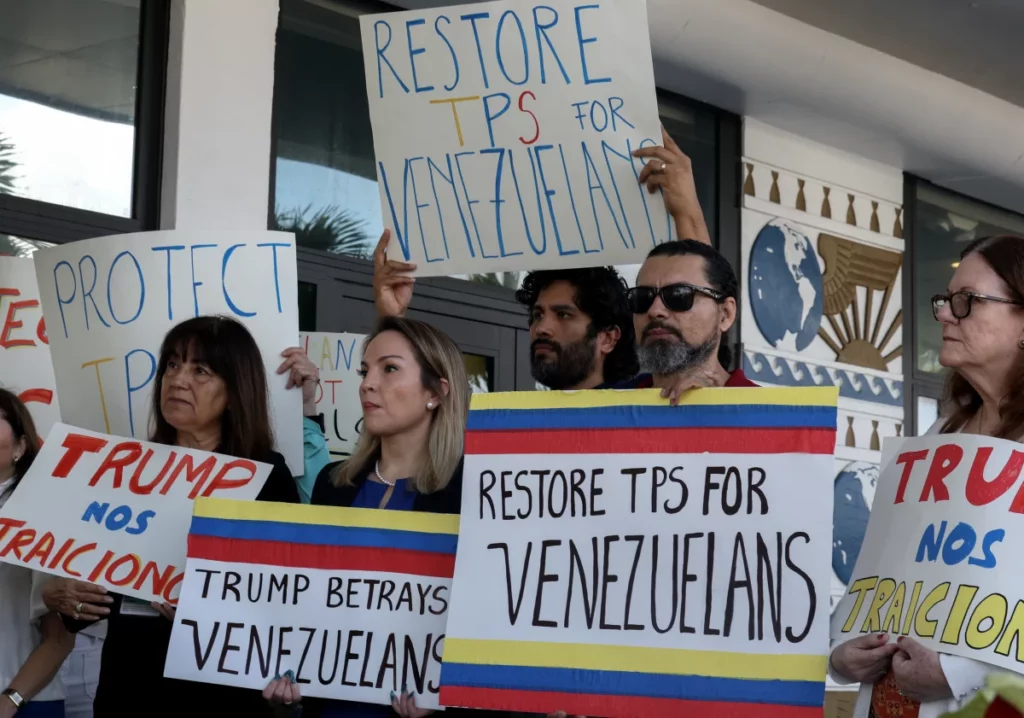
On May 19, 2025, the U.S Supreme Court ruled in favor of the Trump’s administration’s request to end the Temporary Protected Status (TPS) program for Venezuelan nationals. The decision lifts a lower court’s injuctions, allowing the Department of Homeland Security to proceed with terminating TPS for approximately 350,000 Venezuelans residing in the United States.
Background of TPS for Venezuelans
TPS is a humanitarian program that premits individuals from countries experiencing extraordinary conditions, such as armed conflict or natural disasters, to live and work in the U.S temporarily. In 2021, the Biden administration designated Venezuela for TPS due to the country’s political and economic turmoil. This designation was extended in 2023, providing protections set to last until October 2026.
However, in February 2025, Homeland Security Secretary Kristi Noem announced the termination of TPS for Venezuelans, citing national security concerns and alleged associations with criminal activites. A federal judge in California initially blocked this termination, stating that it appeared to be “predicated on negative stereotypes” and potentially motivated by unconstitutional animus.
Legal Challenges and Implications
The Supreme Court’s decision overrides the lower court’s injuction, allowing the termination of TPS to proceed while legal battles continue in lower courts. Justice Kentanji Brown Jackson was the sole dissenter in the ruling.
Critics argue that engine TPS for Venezuelans cloud lead to the deportation of individuals who have established lives in the U.S, potentially separating families and exposing them to dangers in their home country. Advocates emphasize the humanitarian implications and the need for comprehensive immigration reform.
Reactions from Communities and Officials
The decision has sparked concern among immigrant communities and human rights organizations. In South Florida, home to a significant Venezuelan population, community leaders expressed fear and uncertainty about the future of those affected.
Tricia McLaughlin, DHS’s assistant secretary for public affairs, called the high court’s ruling a “win for the American people and the safety of our communities.”


