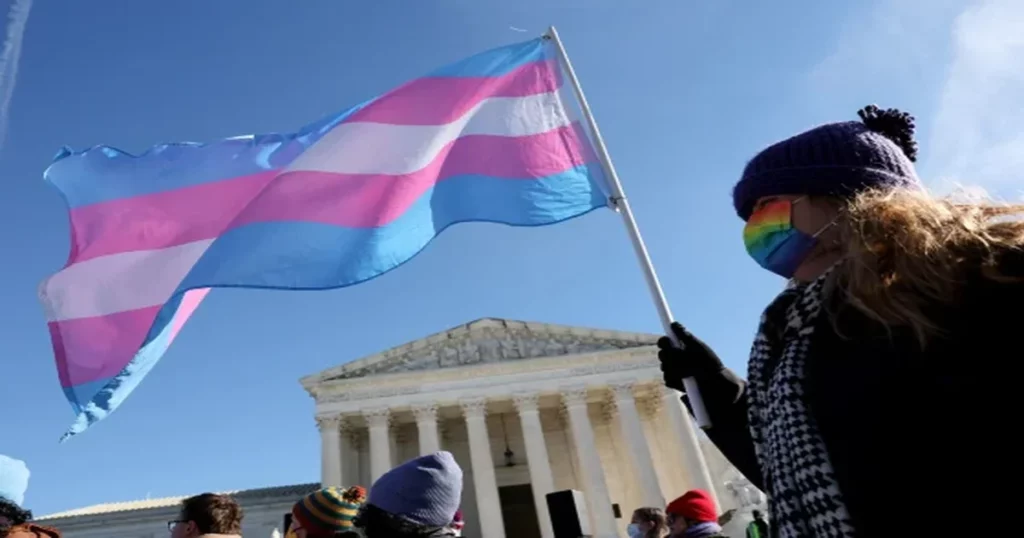
In a deeply consequential decision on June 18, 2025, the Supreme Court upheld Tennessee’s law prohibiting gender-affirming care for transgender minors, issuing a 6-3 ruling that allows the prohibition of puberty blockers and hormone treatments for youth under 18. The ruling, led by Chief Justice John Roberts and five conservative colleagues, marks a significant rollback in legal protections for transgender adolescents.
Chief Justice Roberts’s majority opinion argued the law does not violate the Equal Protection Clause of the 14th Amendment and emphasizes that “ongoing scientific and policy debates” over youth healthcare should be resolved by state legislatures, not the judiciary. The decision reinforces the notion that states retain wide authority to regulate emerging and contested medical fields.
The three liberal justices strongly dissented. In a rare dissent read from the bench, Justice Sonia Sotomayor said the ruling “abandons transgender children and their families to political whims,” condemning the decision for applying only “rational-basis review” rather than stricter scrutiny in sex-based discrimination cases.
By upholding Tennessee’s law, the Supreme Court has validated one of approximately 26 state-level bans of its kind and set a legal standard reinforcing state power in this domain. This marks the second major transgender rights case decided by the court, following the 2020 Bostock v. Clayton County ruling affirming workplace protections for LGBTQ+ individuals.
The ruling has stark implications: around 300,000 trans teens and 1.3 million trans adults in the U.S. may now find access to medical care limited in many states, a concern underscored by medical bodies warning of mental health risks, including increased suicide attempts when care is restricted.
This decision follows the Trump administration’s broader efforts to curtail LGBTQ+ rights including bans on trans military service, passport changes, and transgender athletes, many of which faced legal challenges during the current term.
In the legal spotlight was ACLU attorney Chase Strangio, the first openly transgender lawyer to argue before the Supreme Court, who underscored medical consensus supporting gender-affirming care as safe and essential and cautioned that silencing such treatment endangers vulnerable youth.


