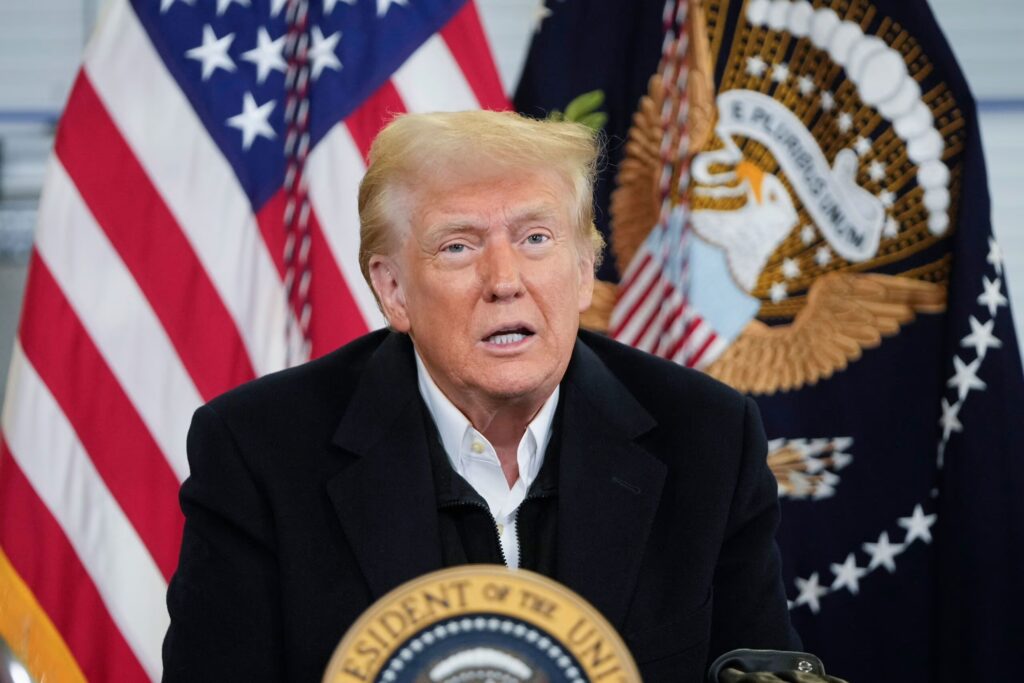
In a dramatic legal development, the Trump emergency tariffs blocked ruling has ignited a national conversation about presidential power and trade law. On May 28, 2925, the U.S. Court of international Trade declared that President Donald Trump had exceeded his legal authority by imposing sweeping tariffs through emergency powers.
The Trump emergency tariffs blocked decision centers around the controversial “Liberation Day” tariffs that aimed to penalize countries with high trade surpluses by adding a 10% baseline tariff on nearly all imported goods. These tariffs, which impacted U.S. companies and global trade partners, were implemented under the International Emergency Economic Powers Act (IEEPA).
However, the court found that Trump’s use of IEEPA did no meed legal threshold required to justify such economic actions. The panel ruled unanimously the the Trump emergency tariffs blocked verdict should stand, asserting that Congress alone holds constitutional power over tariffs and trade.
Legal experts have called the Trump emergency tariffs blocked ruling a “seismic shift” in how future administrations will be able to use emergency economic powers. Critics of the tariffs, including small businesses and trade unions, welcomed the decision as a restoration of balance between the executive branch and legislative authority.
Meanwhile, Trump allies condemned the move. Former advisor Stephen Miller described the court’s action as “judical interfernece,” but the judges emhasized the need for clear congressional checks on emergency trade actions.
The Trump emergency tariffs blocked outcome may now be headed to appeal, with Trump’s legal team considering escalation to the Supreme Court. For now, importers and international trade partners are breathing a sigh of relief, as the enforcement to the tariffs has been halted indefinitely.


