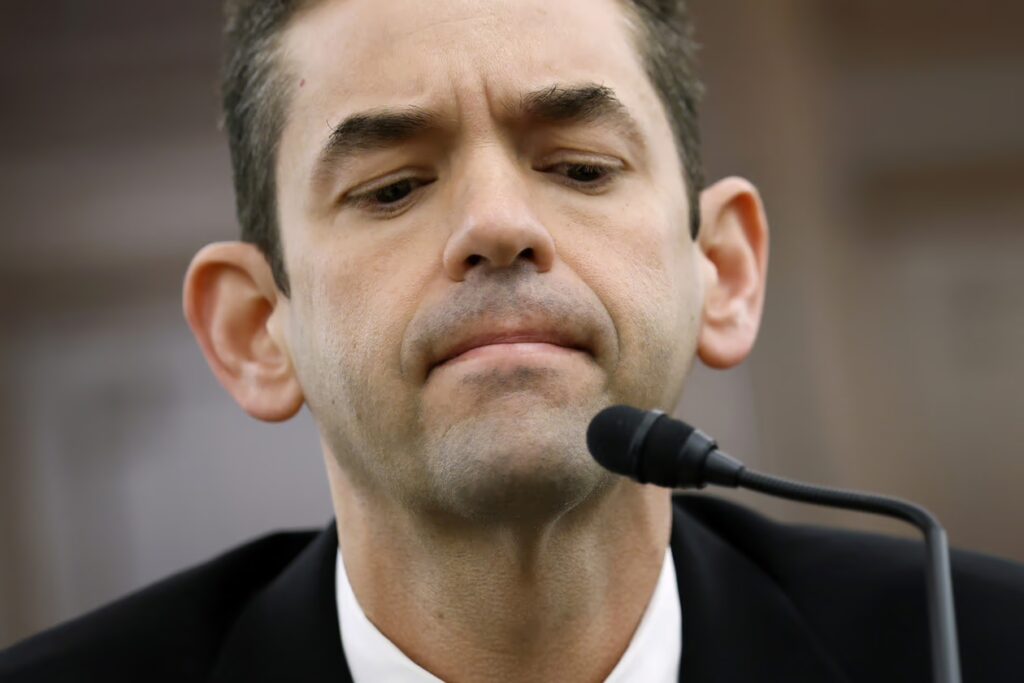
In a sudden move that has raised questions across the space and political communities, the White House has officially withdrawn Jared Isaacman’s NASA nomination, just days before the U.S. Senate was expected to hold a vote on his confirmation.
Table of Contents
Jared Isaacman NASA Nomination Abruptly Pulled by White House
Jared Isaacman, the billionaire pilot and private astronaut best known for commanding SpaceX’s all civilian Inspiration4 mission, was initially nominated by President Donald Trump to lead NASA as part of his renewed push for space dominance. The Jared Isaacman NASA nomination was seen as a bold pick given Isaacman’s experience in private aerospace ventures rather than traditional government space programs.
White House Statement on Jared Isaacman NASA Nomination
According to White House press secretary Elizabeth Huston, the decision to pull the nomination was based on internal discussions about the “strategic direction of NASA.” She noted, “The next NASA administrator must fully support President Trump’s America First mission and space leadership goals, including the critical objective of putting American boots on Mars.”
No further specifics were provided, leaving speculation about potential political or logistical concerns behind the withdrawal.
Background on Isaacman’s Role in Space Exploration
The Jared Isaacman NASA nomination attracted attention due to Isaacman’s high profile history in the private space sector. In addition to being a tech entrepreneur, Isaacman is a trained jet pilot and funded several SpaceX missions under the Polaris Program, which aim to push the boundaries of private spaceflight.
Though he had cleared the Senate Commerce Committee in April, the full confirmation vote was pending until after Memorial Day recess. His supporters believed his commercial experience would bring innovation to NASA’s operations.
What’s Next for NASA Leadership
With the Jared Isaacman NASA nomination officially withdrawn, the Trump administration has yet to name a news candidate. Analysts suggest the next pick may come from within the existing NASA structure or from the U.S. millitary or space policy think tanks.
The future of America’s lunar and Martian ambitions now depends on who will take the helm of the agency at a critical moment in space exploration history.


