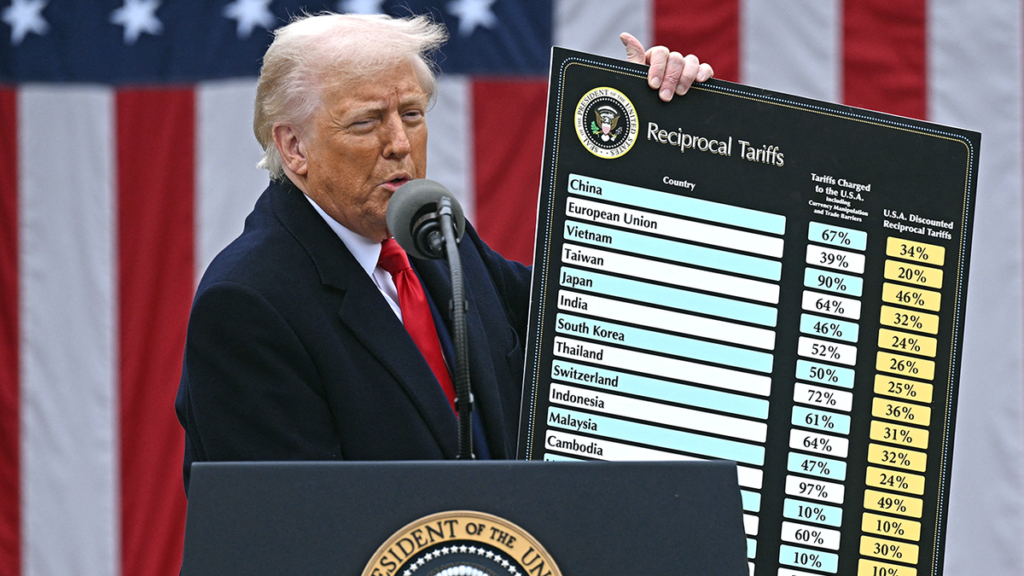
On May 28, 2025, a U.S. federal court ruling that blocked President Donald Trump’s sweeping tariffs on imports under the international Emergency Economic Powers Act (IEEPA) was met with enthusiasm by global financial markets. The court determined that the 1977 IEEPA does not authorize the use of tariffs, effectively halting the administration’s efforts to impose broad import duties.
Table of Contents
Market Responses to the Court’s Decision
Following the announcement that the court blocked Trump’s tariffs, U.S. futures experienced an uptick, with the S&P 500 futures rising by 1.5% and the Dow Jones Industrial Average futures gaining 1.2%. Oil prices also increased by over $1, and the U.s dollar strengthened against the yen and euro.
In Europe, Germany’s DAX index climbed 0.5% to 24,160.75, France’s CAC 40 rose 0.9% to 7,860.67, and the UK’s FTSE remained nearly unchanged at 8,722.63.
Asian markets mirrored this positive sentiment Japan’s Nikkei 225 index increased by 1.9% to 38,432.98, South Korea’s Kospi surged 1.9% to 2,720.64, Hong Kong’s Hang Seng added 1.3% to 23,561.86, and China’s Shanghai Composite index gained 0.7% to 3,363.45.
Global Implications of the Ruling
The court’s decision to block Trump’s tariffs has provided a sense of relief to investors and businesses worldwide, who had been grappling with the uncertainties introduced by the administration’s trade policies. The ruling not only curtails the use of emergency powers for imposing tariffs but also reinforces the constitutional allocation of trade regulation authority to Congress.
While the White House has appealed the decision, the immediate effect has been stabilization of global markets and reduction in trade related tensions. Analysts suggest that this development may pave the way for more predictable and collaborative international trade relations moving forward.


