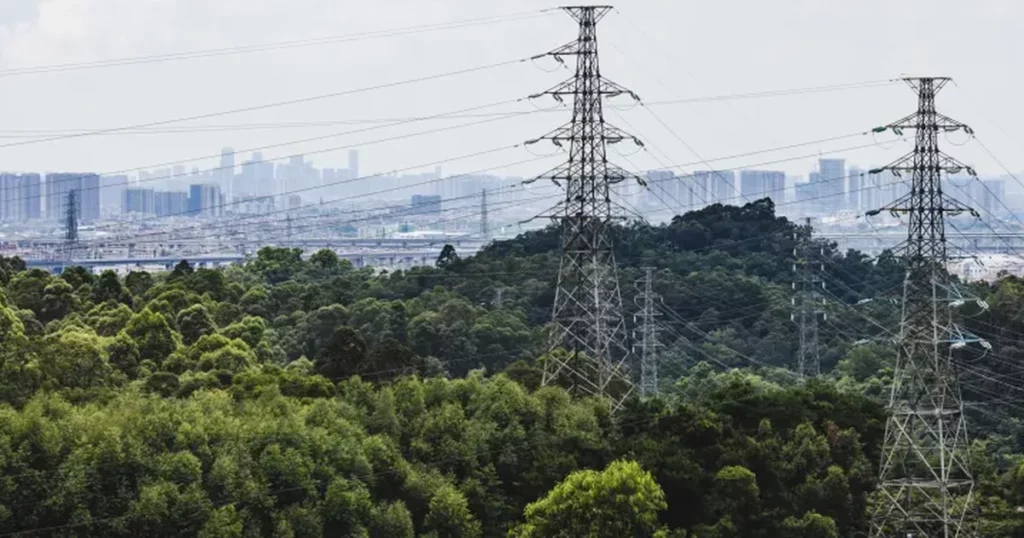
In June 2025, many American households experienced a sharp increase in their energy costs. Here’s why electricity prices are surging, and what to expect this summer.
Natural Gas Prices Spikes
A primary factor behind electricity prices surging is the steep rise in natural gas prices. Gas-fired power plants account for roughly 35-60% of U.S. electricity production. As gas costs climb, generators pass those costs on to consumers.
Rising Demand from Data Centers & AI
The rapid expansion of data centers, driven by AI, cloud services, and crypto mining, is accelerated demand. Analysts estimate U.S. data centers will need an additional 18 GW by 2030, equal to powering several major cities. Utility companies are factoring that projected consumption into future rates.
Aging Grid & Infrastructure Investment
Utilities are investing heavily to upgrade the grid and avoid blackouts. These infrastructure costs, materials, labor, compliance, are being passed on to consumers, contributing to higher bills. In some states, utilities like Dominion Energy plan to raise rates by up to 14% next year.
Increased Exports & Tariffs Impact
Expanded LNG exports and new tariffs have tied U.S. natural gas prices to global markets. The export-driven demand inflates domestic gas rates, which then lead to electricity prices surging.
Climate & Weather Pressures
Record summer temperatures and extreme weather increases air conditioning use, spiking peak electricity demand. With demand surging during heat waves, prices climb further.
Inflation & Rising Operating Costs
General inflation, affecting labor, material, equipment, drives up operational costs for utilities. Meanwhile, bills are claiming faster than core inflation: a 4.5% rise in electricity costs vs. 2% for essentials.
Electricity prices are surging due to a perfect storm: gas price volatility, soaring demand (especially from AI/data centers), inflation and grid investments. With bills already outpacing inflation, it’s vital for households to understand why these increases are happening, and how to curb them.


