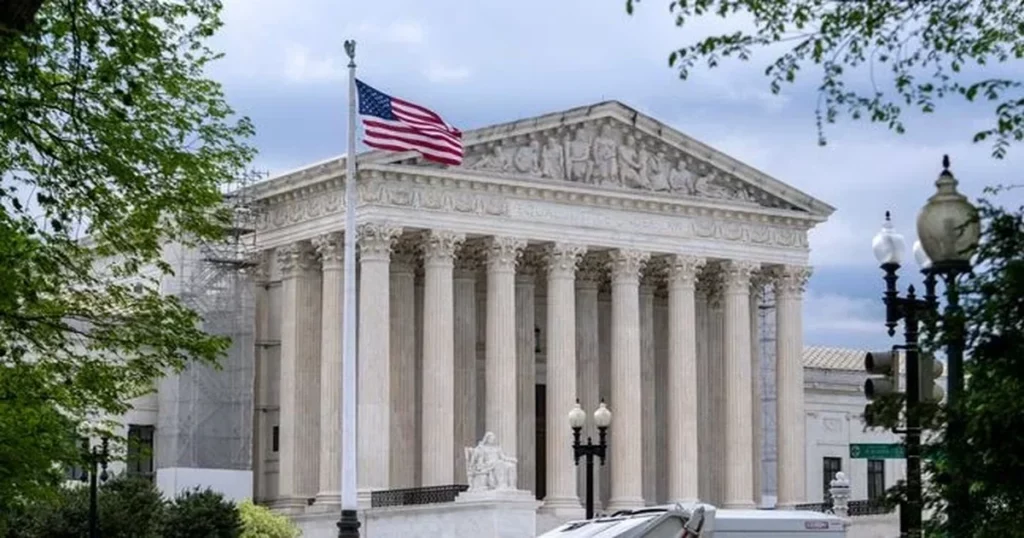
A landmark decision from the Supreme Court has reignited the national debate over birthright citizenship, as the justices ruled to redefine eligibility requirements tied to citizenship by birth. The decision has triggered strong responses from both sides of political spectrum and is expected to shape immigration policies for years to come.
Lawmakers across the country, including several in Tennessee, have voiced sharp opinions, reflecting the deeply polarizing nature of the issue.
What Did the Supreme Court Rule on Birthright Citizenship?
The Supreme Court decision clarifies that birthright citizenship will no longer automatically apply to all individuals born on U.S. soil, especially if their parents are in the country unlawfully. Supporters of the ruling argue it aligns with constitutional intent, while critics warn it undermines decades of precedent.
Justice Samuel Alite, writing for the majority, stated the ruling reflect a need to “balance sovereign immigration laws with evolving constitutional interpretations.”
Reactions From Lawmakers and Communities
Local lawmakers have voiced mixed reactions. Republican leaders hailed the ruling as a “necessary correction,” while Democrats described it as a “dangerous rollback of basic rights.”
In Chattanooga and across Tennessee, community organizers have begun mobilizing in response to what they call an erosion of civil protection ties to birthright citizenship.
Legal experts predict a flurry of challenges in lower courts and potential new legislation from Congress. Meanwhile, the ruling has added fuel to the national immigration debate, further entrenching part lines as the 2026 election season heats up.
The Supreme Court has once again place itself at the center of the generational debate, one that touches on identity, law, and the very meaning of American citizenship.


